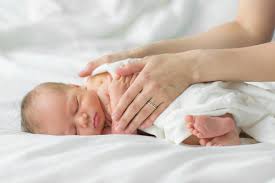
Fetal developement
Course overview
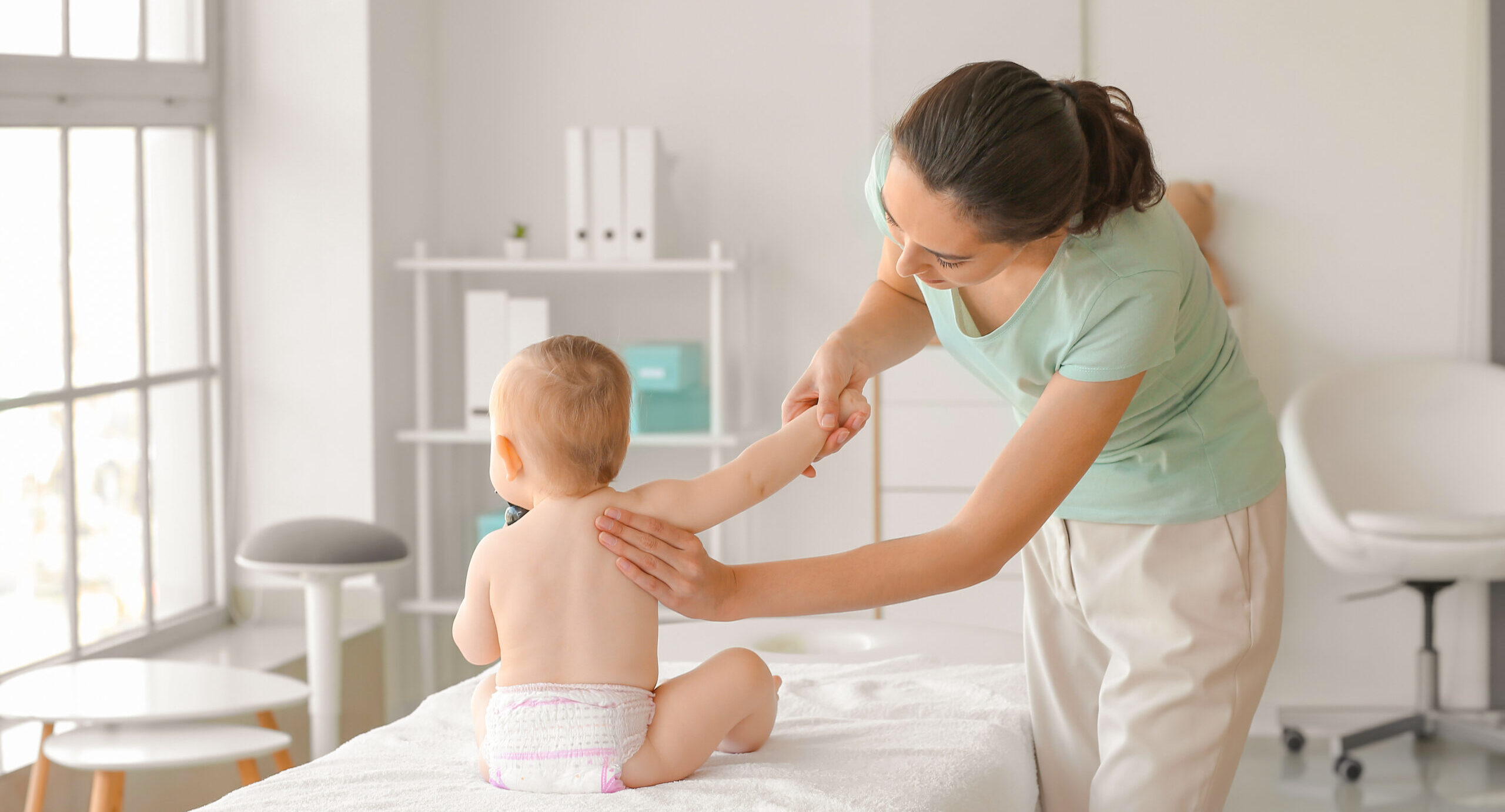
The concept of an innate “program of locomotion” is fascinating because it highlights the natural, species-specific developmental pathway that guides physical growth and movement patterns from infancy. This locomotion program is hard-wired in our DNA, which means that as human beings, we possess inherent templates for movement that emerge as our bodies and brains develop.
Fetal developement
This process unfolds in a sequential, predictable manner, typically beginning with simpler movements like head lifting, rolling, and reaching, before advancing to more complex actions such as crawling, standing, and walking. These milestones are not just physical achievements but represent critical stages in the integration of sensory, motor, and cognitive systems that work together to support our interaction with the environment.
Fetal developement
Our bones, joints, and muscles undergo significant changes throughout childhood, influenced both by genetic programming and by the environment. During early development, bones are more pliable and gradually ossify, or harden, to support the body’s increasing weight and movement demands. Joint structures, too, are molded through use—such as the formation of joint shapes and ranges of motion—driven by the natural movements inherent to each developmental phase.
Interestingly, as the brain matures, it integrates sensory feedback from these physical interactions with the environment. For example, a baby’s experience of pushing off the floor with their arms or feeling their body balance while sitting contributes to the fine-tuning of neural circuits that control movement. The sensory experiences associated with each stage of locomotion are essential for building motor skills, learning balance, and even supporting spatial awareness and cognitive development.
These genetic and environmental influences highlight the importance of allowing children to explore their movement potential freely, as restrictive devices or lack of floor time may interfere with their natural movement patterns. Ultimately, this developmental program is more than just a sequence of physical achievements—it’s a foundation for future skills, from motor coordination to problem-solving and even social interactions as children engage with the world around them.
Developmental information for Parents – Building Strong Foundations for Baby Growth.